Nancy Sarmento Barkhordari
JD Barrister & Solicitor

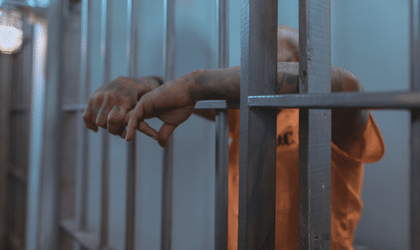
A criminal conviction doesn’t end the legal story. If your client was mistreated, injured, or denied proper care while in custody either before, during, or after trial, they may have a separate civil claim against the Crown, entirely independent of the criminal outcome. Too often, this avenue is overlooked simply because the criminal file has closed.
A guilty verdict has no bearing on whether correctional or police staff acted lawfully in how they treated your client. Excessive force, medical neglect, unsafe conditions, or a failure to protect an inmate from harm can all give rise to civil liability regardless of what happened in the criminal proceeding. These are different legal questions, assessed under different standards of proof.
When reviewing a client’s file, watch for:
If any of these are present, it’s worth a conversation before the file is closed and evidence becomes harder to recover.
Crown liability claims brought under the Crown Liability and Proceedings Act federally, or provincial equivalents involve strict notice requirements. Early referral enables timely notice, and preserves evidence, including incident reports, medical records, and video footage that institutions aren’t required to retain indefinitely.
A successful Crown liability claim addresses harm caused independently by the institution or its staff. Outcomes can include compensation for physical and psychological injury, pain and suffering, and in appropriate cases, damages meant to hold institutions accountable for systemic failures.
If something about how your client was treated in custody doesn’t sit right, it’s worth a referral. Gosai Law works alongside criminal counsel to evaluate potential Crown liability claims, gather evidence promptly, and advise on next steps without disrupting the criminal matter.
Reach out for a confidential consultation to discuss whether your client’s experience in custody may support a separate civil claim.
This article is for general information only and is not legal advice. Contact Gosai Law to discuss a specific case.